
Altitude sickness in Cusco and Puno: how to take care of yourself during the first 48 hours
- For: Brazilians traveling up from Lima to the Andes
Quick answer
- Cusco sits at ~3,400 m and Puno at ~3,800–3,830 m: keep the first 48 h easy, hydrate, rest and avoid alcohol and hard exertion.
- Mild symptoms: headache, fatigue, mild shortness of breath and nausea. Severe signs (confusion, ataxia, breathlessness at rest, persistent vomiting) mean descend and get medical help.
- Sleeping first in the Sacred Valley helps stage the climb; Rainbow Mountain only after acclimatizing. Medication only with medical advice.
In this article
Cusco and Puno are not the same altitude experience. Cusco is approximately 3,400 m; Puno and Lake Titicaca are at 3,800–3,830 m. Machu Picchu is around 2,430 m, the Sacred Valley at 2,800–2,900 m, and Lima ranges from sea level to about 150 m. The rapid change explains why the first 48 hours deserve a light itinerary.
This is a planning guide, not a diagnosis. Severe signs require descending and seeking medical help. Any medication should be discussed with a professional.
What to do on arrival
The basic guidance gathered in the PeruCheap guide is to climb gradually, keep the first nights easy, stay hydrated, and avoid alcohol and strenuous activity. In Cusco, the material recommends walking slowly upon arrival and avoiding alcohol and exertion during the first 24–48 hours.
During the first hours:
- do only light transfers and sightseeing;
- drink water regularly;
- sleep and observe how your body reacts;
- avoid alcohol;
- do not schedule a hike, climb or strenuous exercise for arrival day;
- leave extreme-altitude activities until after acclimatization.
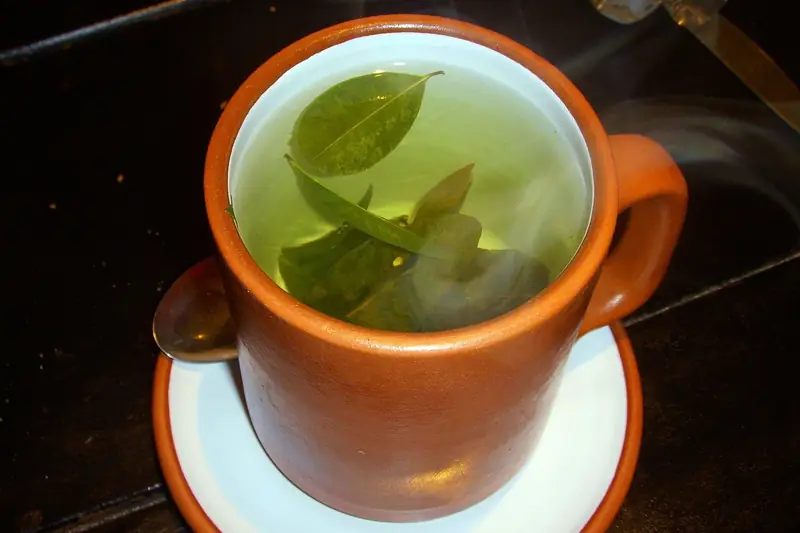
Coca tea is part of local culture, but it does not replace acclimatization. The PeruCheap guide gives no universal amount of water and does not promise that any food or drink will prevent altitude sickness.
Mild symptoms: pay attention without panicking
The PeruCheap guide, drawing on the CDC Yellow Book and local guides, lists these as mild symptoms:
- headache;
- tiredness;
- mild shortness of breath;
- nausea.
Slow down and do not move on to a more demanding activity while you feel unwell. If symptoms worsen or severe signs appear, the guidance is to descend and seek medical help.
Severe signs: confusion, lack of coordination (ataxia), shortness of breath at rest, or persistent vomiting. Do not try to “tough out” these signs at the hotel or self-medicate.
One possible acclimatization itinerary
One popular strategy documented in the material is to sleep first in the Sacred Valley, which is lower, before continuing to Cusco. This does not guarantee adaptation—you still need to observe symptoms and seek medical advice appropriate for your health (CDC Yellow Book, checked Sep 2026)—but it may help organize the ascent.
If you arrive directly in Cusco, treat the first and second days as an adaptation period. The city has the Plaza de Armas, San Blas and San Pedro Market, but the fact that a place is visitable does not mean you should fit everything in immediately. Destination activities such as the Sacred Valley, Rainbow Mountain and Palcoyo should wait until after acclimatization.
Rainbow Mountain and Palcoyo reach approximately 4,900 m or more. The PeruCheap guide is direct: do not do Rainbow Mountain on day 1.
Cusco and Puno: practical differences
Cusco
The city is around 3,400 m. Walk slowly upon arrival, avoid exertion and alcohol during the first 24–48 hours, and do not take a long walk with luggage on the first day. Your itinerary can begin with rest and easy sightseeing, leaving mountains and day trips for later.
Puno and Titicaca
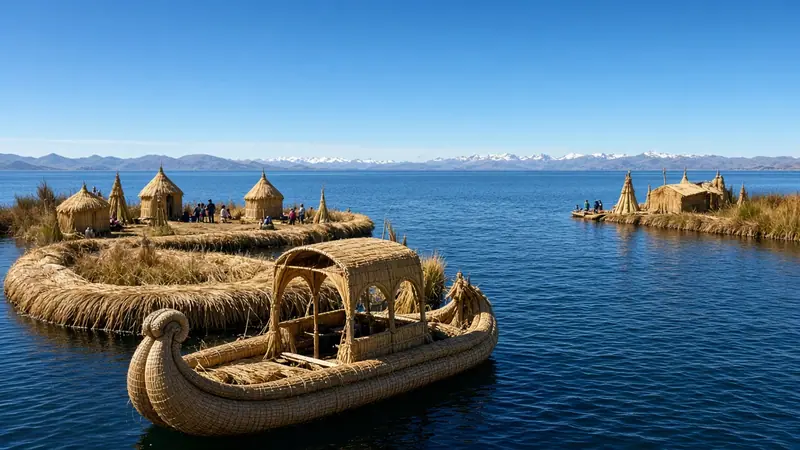
Puno is higher than Cusco, at about 3,800–3,830 m. The PeruCheap guide recommends acclimatizing, staying hydrated and avoiding exertion on day 1. The city and islands add travel time: Uros, Taquile and Amantaní involve boating, and nighttime cold matters. Plan a jacket and a pace that allows you to stop.
If Puno comes after Cusco, that does not eliminate the need to adapt: the altitude still rises. If it comes first, do not treat a day in Lima as Andean acclimatization; Lima is close to sea level.
Medication: do not improvise
Acetazolamide and other medications appear in the PeruCheap guide under one rule only: use them only with medical guidance and do not self-medicate. The material does not prescribe a dose, schedule or universal product. Talk with a professional before traveling, especially if you already have a health condition or take medication.
Travel insurance with altitude coverage appears in the practical checklist for an itinerary that includes Cusco and Puno. Check your insurance coverage and conditions: read the policy and ask the insurer any questions before departure.
First-48-hours checklist
- No strenuous activity on day one.
- Hydration and rest.
- No alcohol during the initial period.
- Sacred Valley as a lower-altitude option before Cusco.
- Rainbow Mountain/Palcoyo only after acclimatization.
- Watch for confusion, ataxia, shortness of breath at rest and persistent vomiting.
- If a severe sign appears: descend and seek medical help.
- Medication only with professional guidance.
Altitude varies from person to person. This content brings together the PeruCheap guide and does not replace medical evaluation or emergency care.
Want help planning your route?
Tell us your dates, how many people are traveling and which places you want to combine. PeruCheap helps you organize the days and flags what to check before booking.